

Sustainability is becoming increasingly important, and corporate clothing is no exception. But sustainable means more than a label or a green story. In practice, we notice that companies are often unsure: what actually makes corporate clothing truly sustainable?
In this blog, we explain what you should look out for. Realistic, achievable and tailored to how corporate clothing is actually used.
Sustainability starts with lifespan
Clothing that wears out quickly is never sustainable. The biggest impact often lies not in how something is produced, but in how long it lasts.
So look out for:
- sturdy, high-quality materials
- colourfastness, even after many washes
- a finish that can withstand intensive use.
The longer corporate clothing can be worn, the smaller the ecological and financial impact. Keep your cost per wear low by investing in quality garments.
Comfort = less replacement
Sustainable corporate clothing actually gets worn. Clothing that is not comfortable stays in the wardrobe or is replaced prematurely.
Choosing sustainably therefore also means choosing clothing your employees feel good in, picking styles that suit the type of work they are worn for and selecting fits that work for different body types. Comfort means less frustration, less waste and a longer lifespan.
Care plays a bigger role than you think
Not every fabric is equally easy to care for. Some materials look great, but require intensive care or quickly lose their appeal.
Ask yourself these questions:
- Can the clothing be washed often?
- Does it stay looking good without special treatments?
- How quickly does the print or embroidery wear?
Clothing that is easy to care for is worn for longer and chosen again more readily.
Sustainability is also about smart finishing
Not only the garment itself, but also the finishing has an impact. Think of a print that comes loose after a few washes, embroidery that is too heavy for the material and spoils the style, or a logo that is not adapted to how the garment is used. A finish that suits the garment and the working environment prevents premature wear.
Honest choices, no greenwashing
We do not believe in big promises without nuance. Sustainable corporate clothing calls for a realistic view, not an ideal picture.
That means:
- honest advice about what is achievable
- taking both budget and use into account
- looking for the best balance between quality, comfort and sustainability.
Together, we look at what really works for your company, without empty claims.

Sustainable corporate clothing: choice of materials.
Lifespan is of course an important factor. But besides lifespan, you can also look at sustainable corporate clothing from an ecological point of view. Then we look mainly at the production process: from planting the raw materials to actually manufacturing the clothing.
So what should you look out for if you want to go for sustainable corporate clothing made with more sustainable materials?
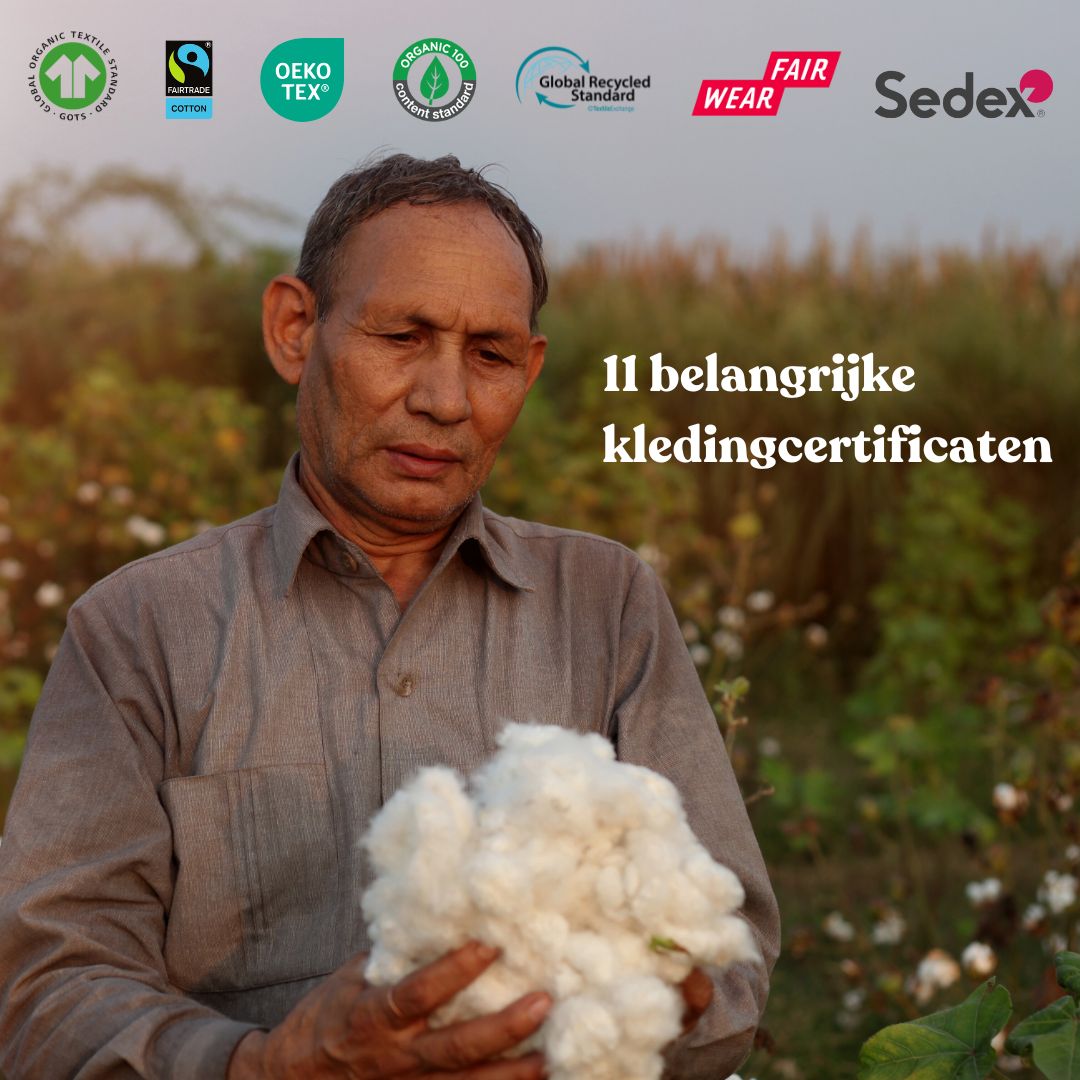
Organic cotton
Organic cotton is cotton grown without synthetic pesticides or artificial fertilisers. This means less soil and water pollution and a healthier working environment for farmers. Water is also often used more efficiently. Bear in mind, though: cotton remains a water-intensive crop, even in organic form. So it is more sustainable than conventional cotton, but not impact-free.
Labels that support this: GOTS, BCI, etc.
Top sustainable corporate clothing brands: Stanley Stella, Untagged Movement (UM), Iqoniq, etc.
Recycled cotton
Recycled cotton is made from textile waste or offcuts from production. This reduces the need for new raw materials and reuses waste. The fibres are often shorter, so it is usually blended with other materials to maintain quality. Here too, several options are already available at Maximum Image. For example, the Re-Creator T-shirt.
Recycled polyester (rPET)
This material is made from recycled plastic bottles or textiles. It reduces the amount of plastic waste and requires less energy than new polyester. At the same time, it remains a synthetic fibre, which means microplastics remain a point of attention when washing. Many sports shirts in our collections are already made with rPET.
TENCEL™ / Lyocell
TENCEL™ is a fibre made from wood pulp (often eucalyptus) from sustainably managed forests. The production process takes place in a closed-loop system in which water and solvents are largely recovered. The material feels soft, is breathable and has a relatively low ecological impact.
On our Maximum Image webshop you can search by material: search for Tencel, for example, and you will find plenty of products that contain it.
Checklist: what should you look for in sustainable corporate clothing?
If you are in the process of deciding on sustainable corporate clothing, this checklist can help you make the right choice.
- Does the clothing last a long time under intensive use?
- Is it comfortable enough to wear every day?
- Is it easy to care for?
- Does the finish stay looking good after washing?
- Does it suit the type of work and the working environment?
These are all questions we discuss with you to determine which sustainable brand best matches what you need for your employees.
Choosing sustainably is above all choosing consciously
Sustainable corporate clothing is not about perfection, but about conscious choices. Clothing that is comfortable, lasts a long time and can be cared for properly is often the most sustainable option.
Not sure what suits your team best? We are happy to help you choose.
👉 Discover more about our approach to corporate clothing
or
Sustainable corporate clothing: choice of materials, continued.
Besides our most common materials such as cotton and recycled polyester, there are plenty of other, sometimes lesser-known initiatives. Here you can discover more details about each type of material and the related information.
Bamboo (bamboo viscose)
Bamboo grows quickly and needs little water or pesticides. That makes it an interesting raw material in itself. However, processing it into textile (viscose) often involves a chemical process that is less environmentally friendly, unless it takes place in a controlled, closed-loop system. Transparency from the producer is crucial here.
Hemp (hemp fibre)
Hemp is one of the most sustainable natural fibres. It grows quickly, needs little water and requires hardly any pesticides. It is also a strong fibre, which contributes to a longer lifespan for clothing. Ideal for robust workwear.
Linen (flax)
Linen is made from flax, a crop that grows well in Europe and needs relatively little water. The production process is less harmful than that of cotton. Linen is strong, breathable and very suitable for warm working environments.
Wool (preferably responsibly produced)
Wool is a natural, renewable material with excellent insulating properties. It lasts a long time and is naturally dirt-repellent. Preferably choose wool with certifications that guarantee animal welfare and environmentally friendly production.
Innovative and bio-based materials
New developments are creating alternatives such as Piñatex (made from pineapple fibres) and fabrics based on maize or recycled cellulose. These materials are still in development, but they show that the sector is fully committed to innovation.