Personalisation techniques explained, made possible by XD Connects.
XD Connects is a professional supplier of Maximum Image with highly advanced production facilities in Eastern Europe. Thanks to their great videos, we can better inform you as a client about the many personalisation techniques.
Screen printing (transfer) personalisation technique.
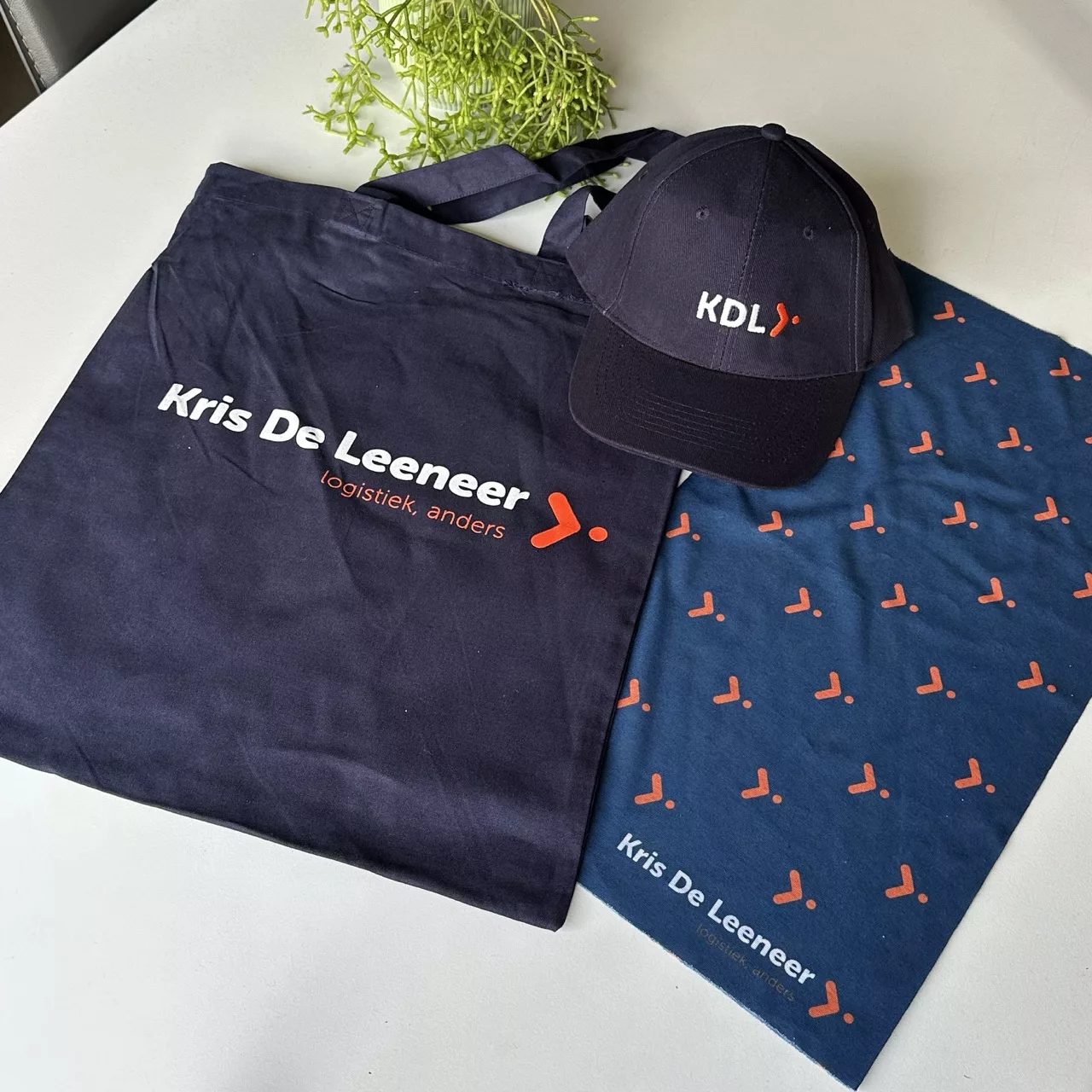
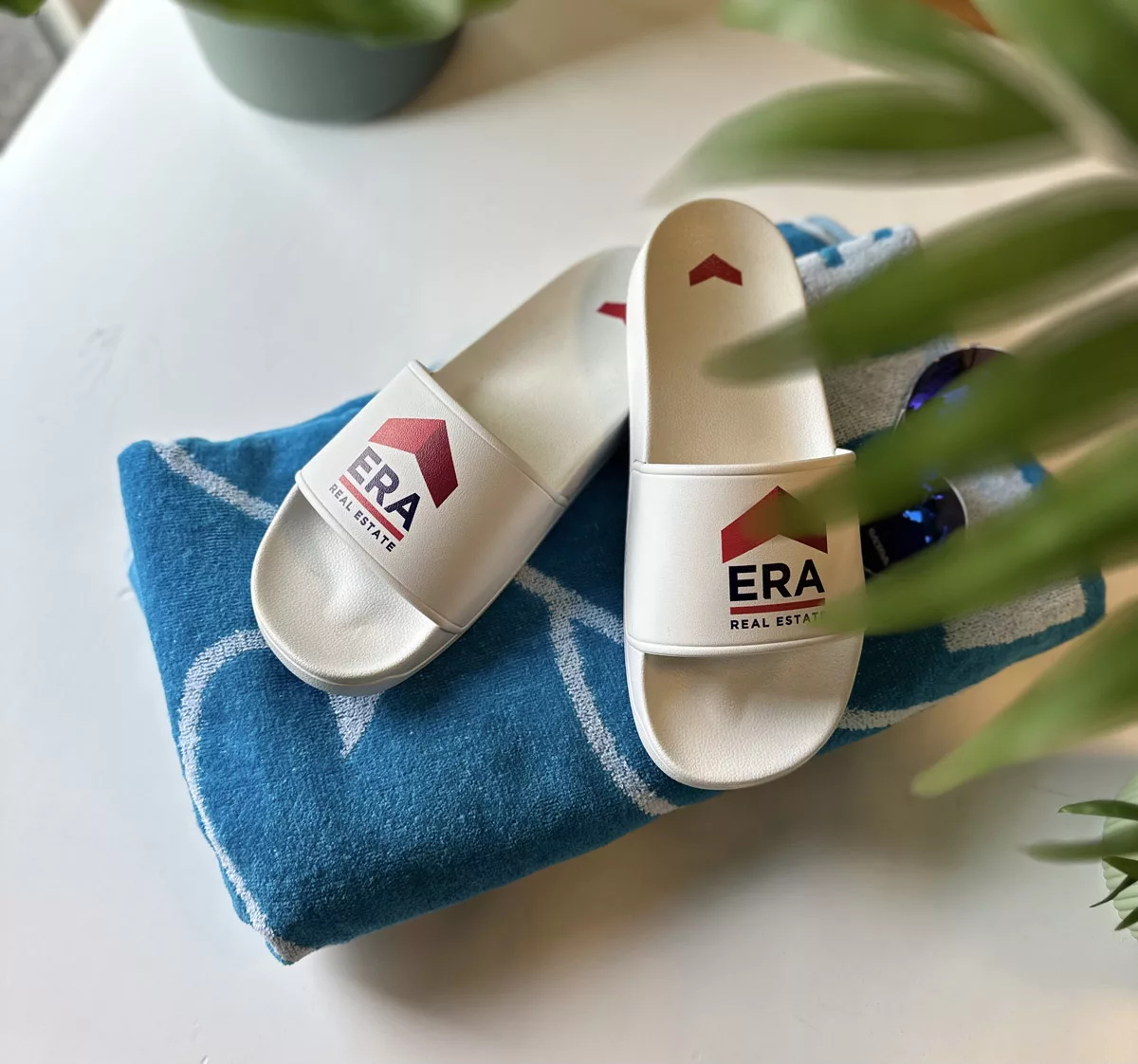
Screen printing is a printing technique in which a stencil is used to push ink through a fine mesh onto a surface, such as textile, paper or plastic. The stencil is applied to the mesh, after which ink is spread over the stencil and pressed through its open areas onto the surface, creating the desired design. The product then goes through an oven to cure the ink. It is a widely used technique in the textile industry because it allows repeatable and accurate prints.
The difference between screen printing and screen-printed transfers is that with screen printing the ink goes directly onto the garment, whereas with a screen-printed transfer it is first printed onto a paper carrier and then applied with a heat press.
Digital transfer printing technique.
With this technique, an advanced printer prints onto a carrier. Adhesive is then added to the underside and the logos are briefly baked in the oven. Once they come out, the logos can be cut out and pressed onto the textile.
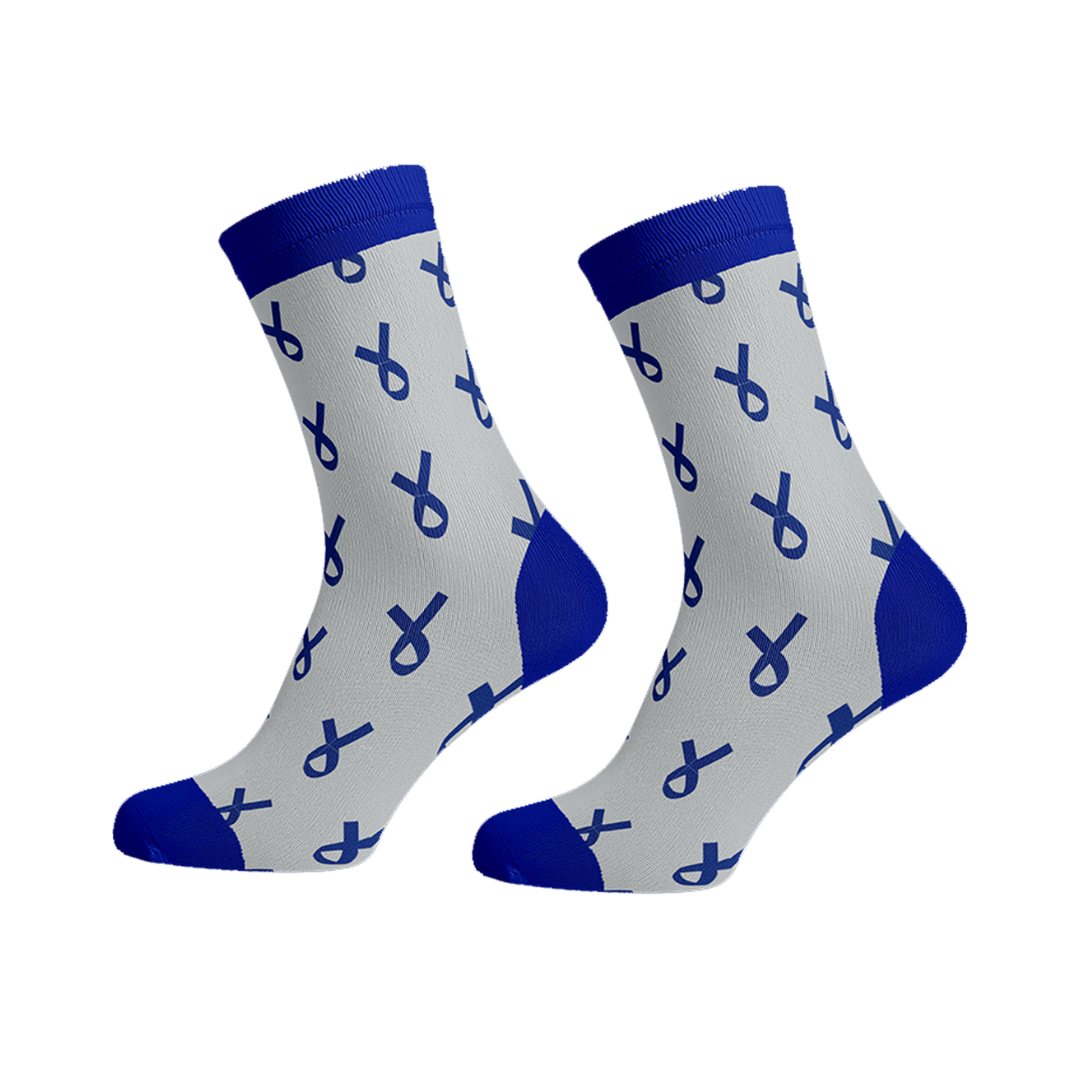
The difference with screen-printed transfers is that a digital transfer is printed in CMYK, so printing in Pantone colours is not 100% accurate. That said, these days the difference is no longer significant.
Embroidery as a personalisation technique.
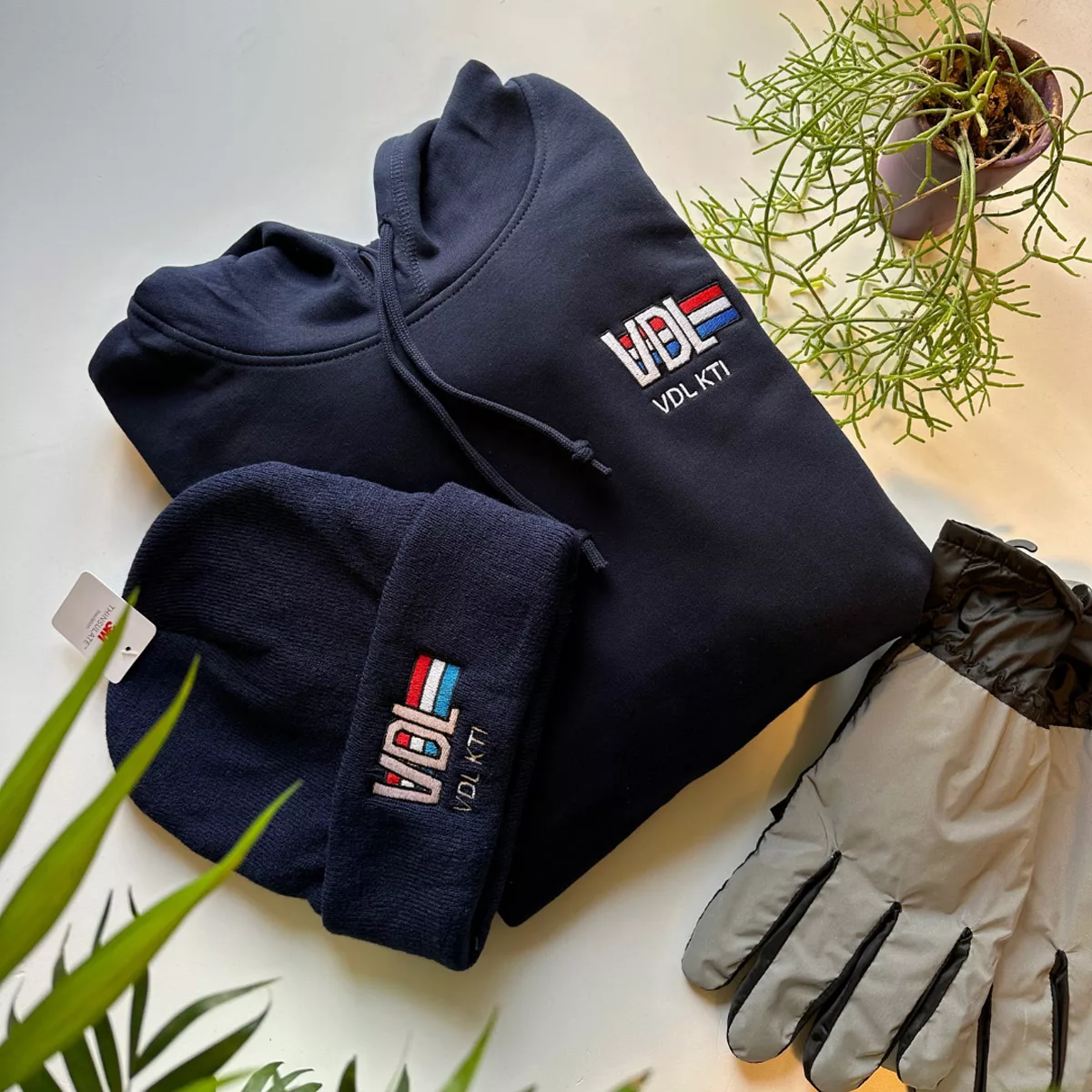
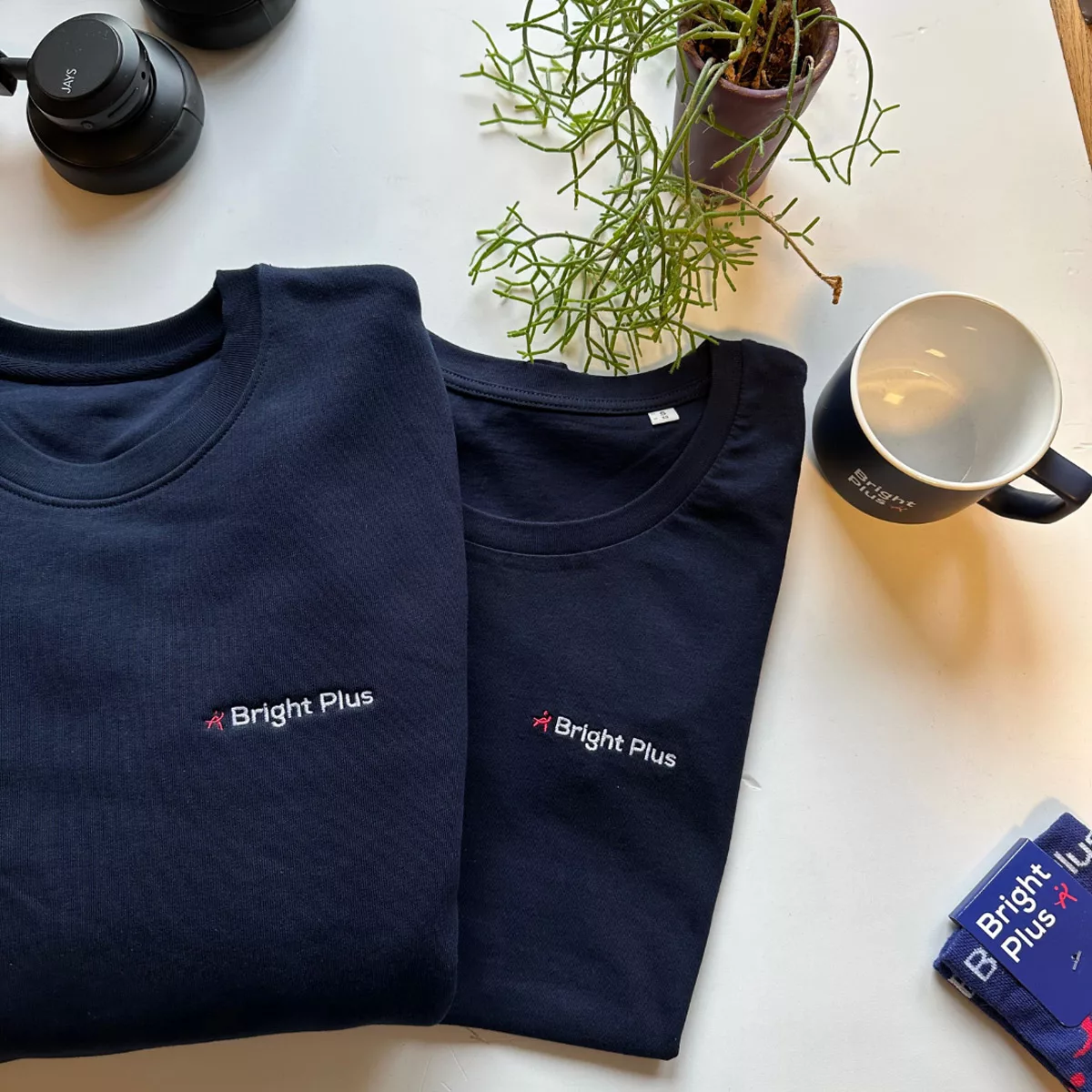
Embroidery is still a popular personalisation technique. It looks premium and lasts a long time. The drawback is that some logos with fine details or colour gradients are difficult or impossible to embroider. In addition, the garment can pucker or feel heavy if the embroidery is large. Maximum Image gives you tips during the quote stage, so you’re sure to make the right choice.
Laser engraving as a personalisation technique.
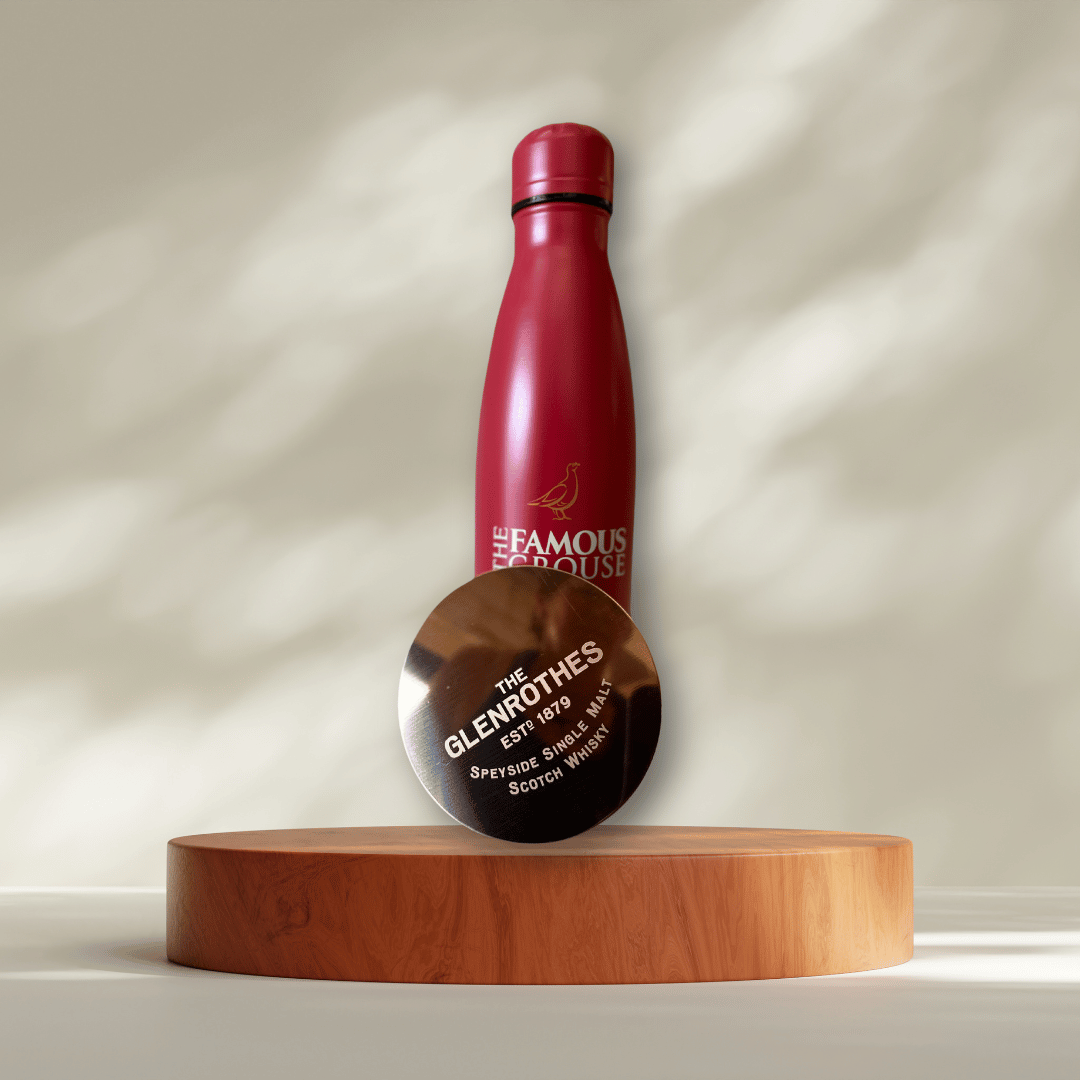
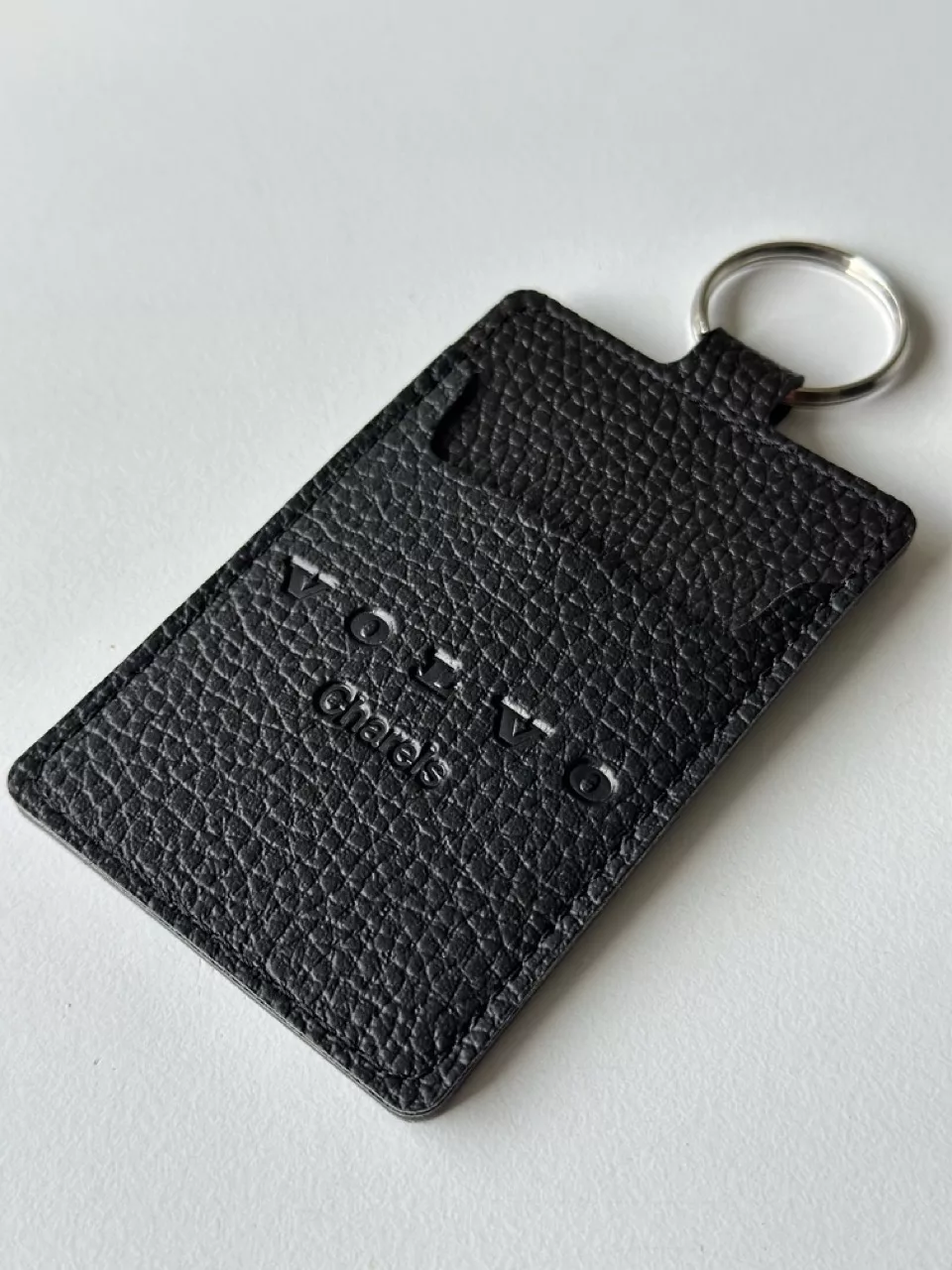
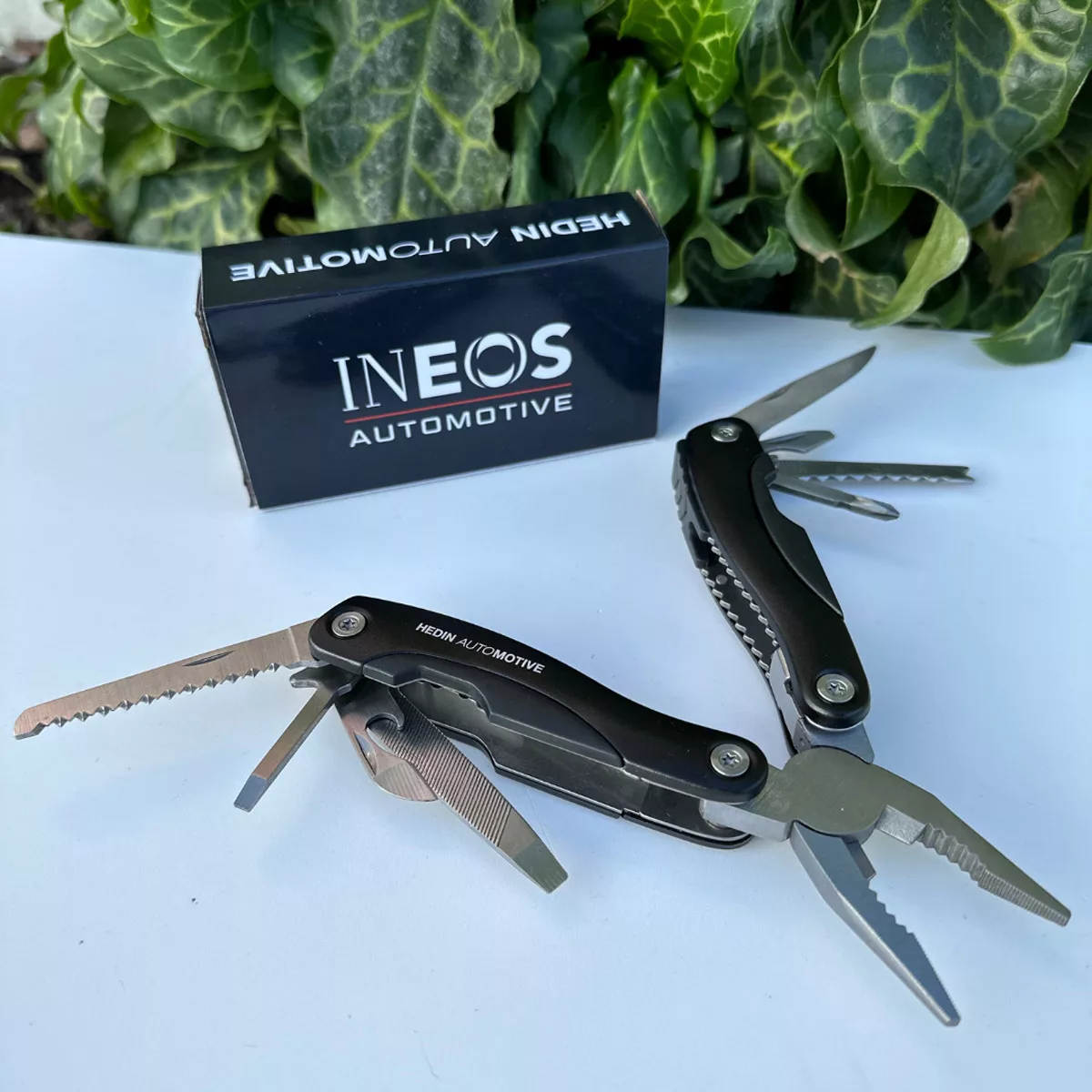
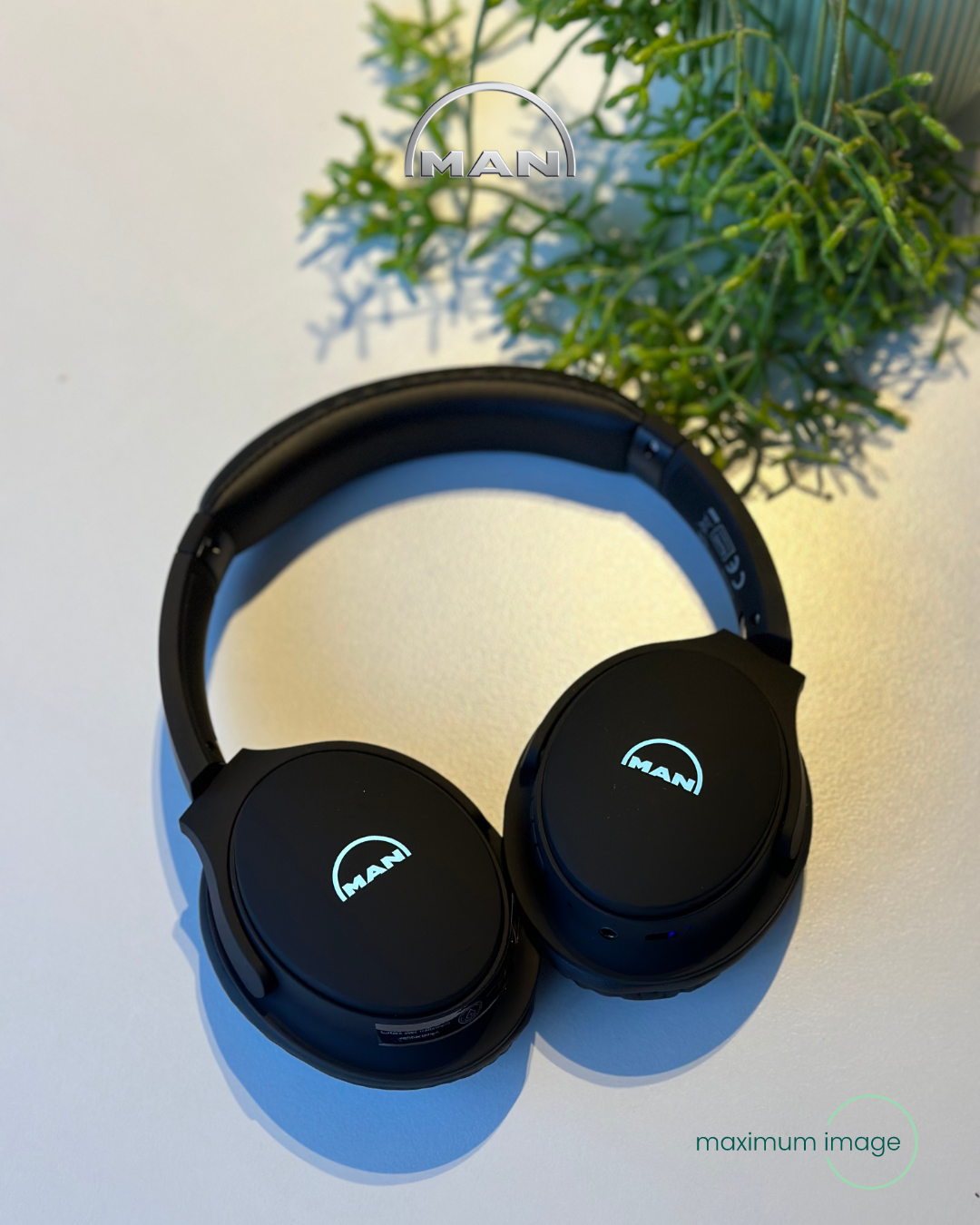
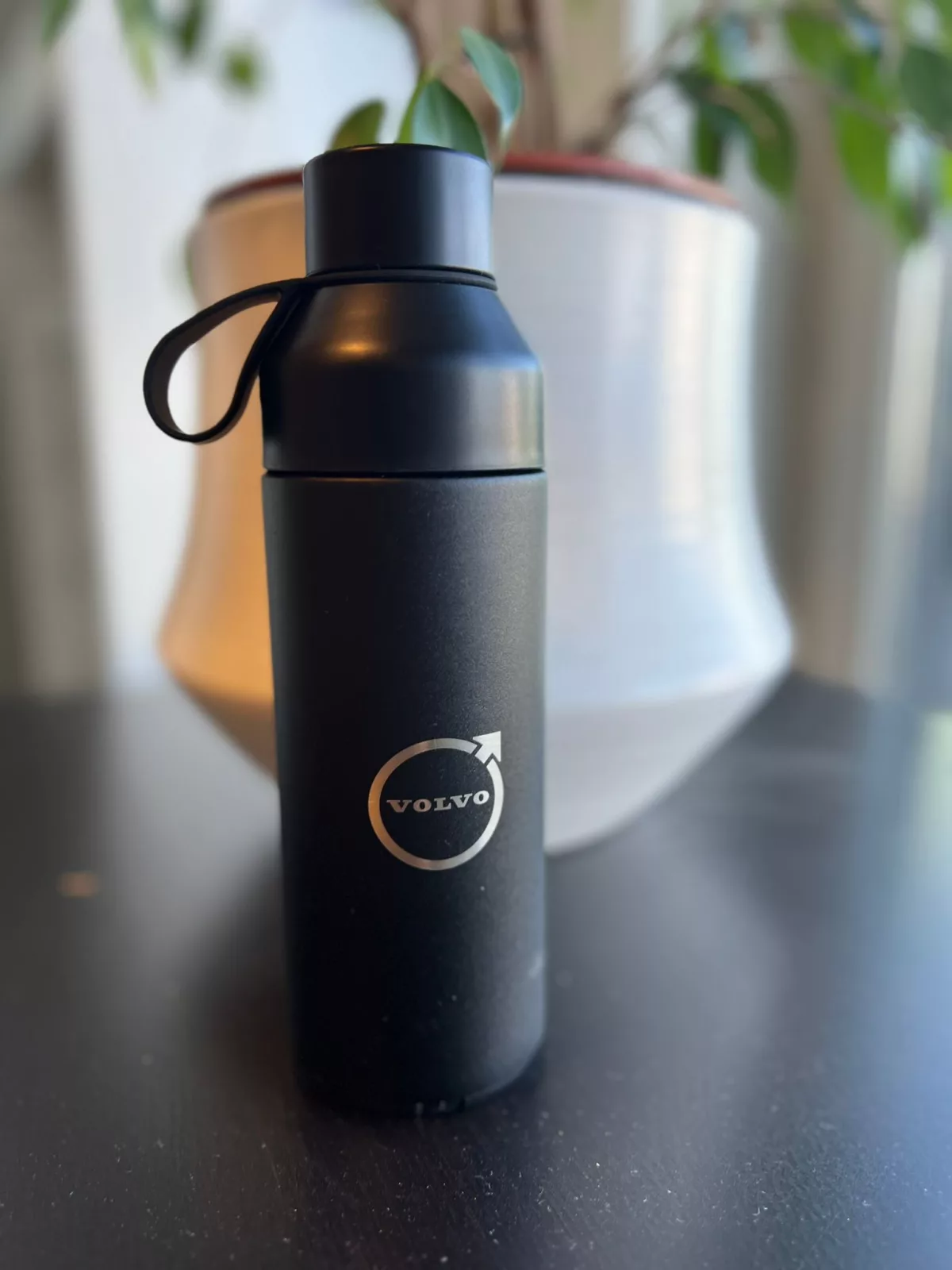
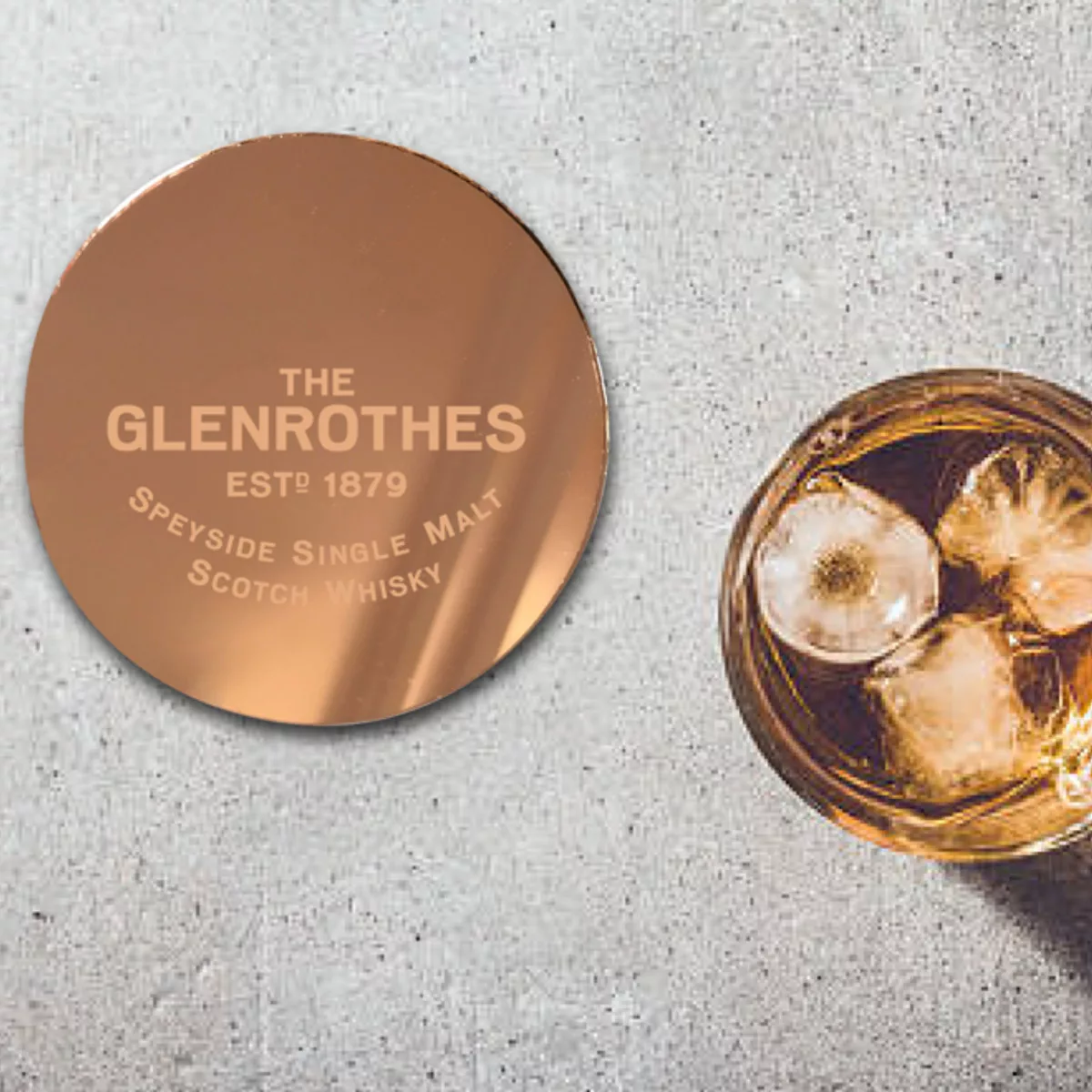
Laser engraving is a very stylish technique that also lasts a long time. A laser engraves your logo onto the product. The drawback is that it only comes out in the colour of the underlying material, so you can’t use colour.
Digital printing on merchandise.
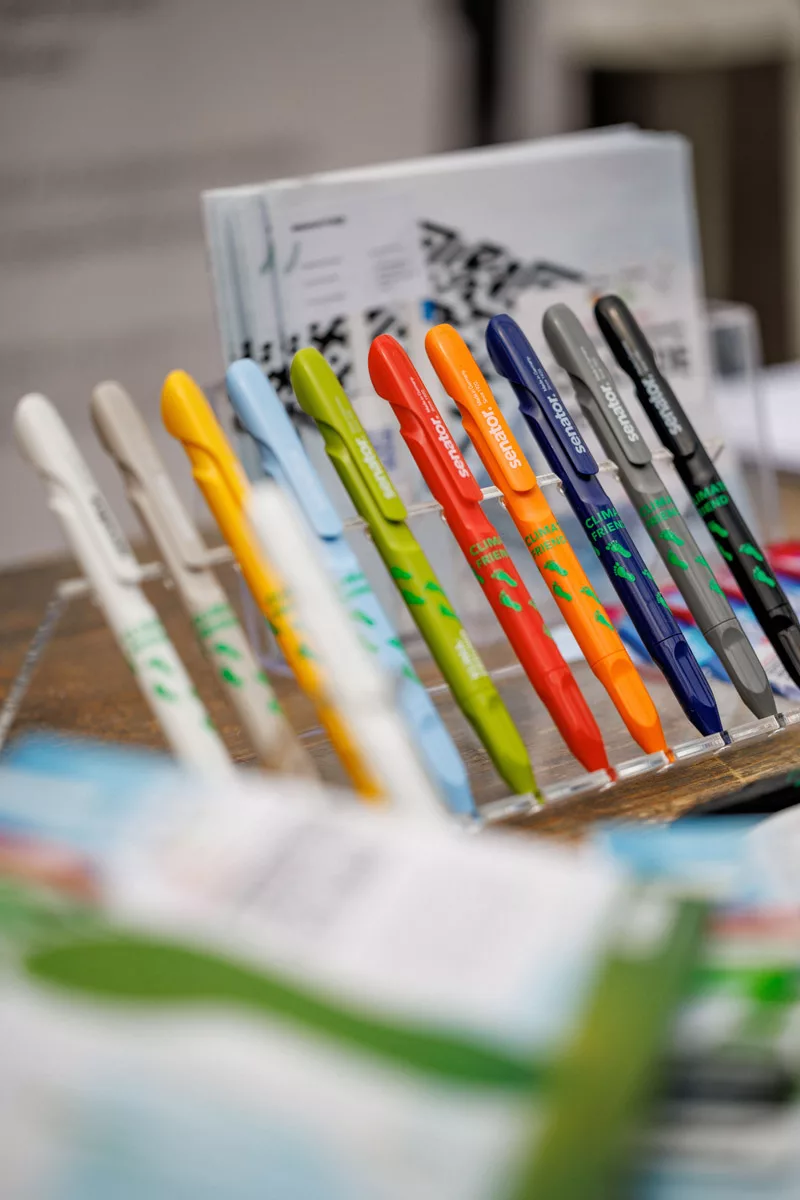
Just as with textiles, digital printing is a widely used technique for full-colour logos. Find out exactly how it works in the video.
Pad printing.
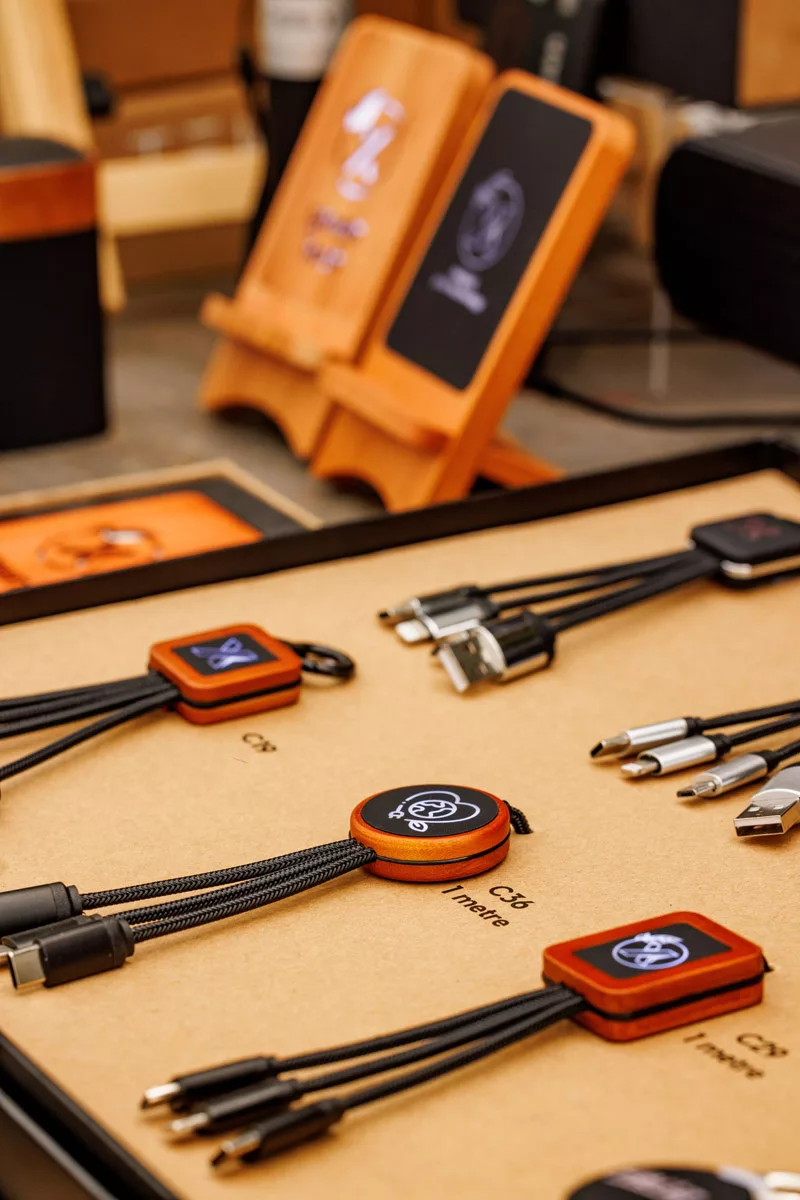
Pad printing is a printing technique in which a flexible silicone pad is used to transfer ink from an etched metal plate to a surface. The plate contains the desired design; the pad picks up the ink and then presses it onto the surface, transferring the design. This method is often used to print three-dimensional objects with complex shapes, such as speakers and other electronics.
Doming as a personalisation technique.
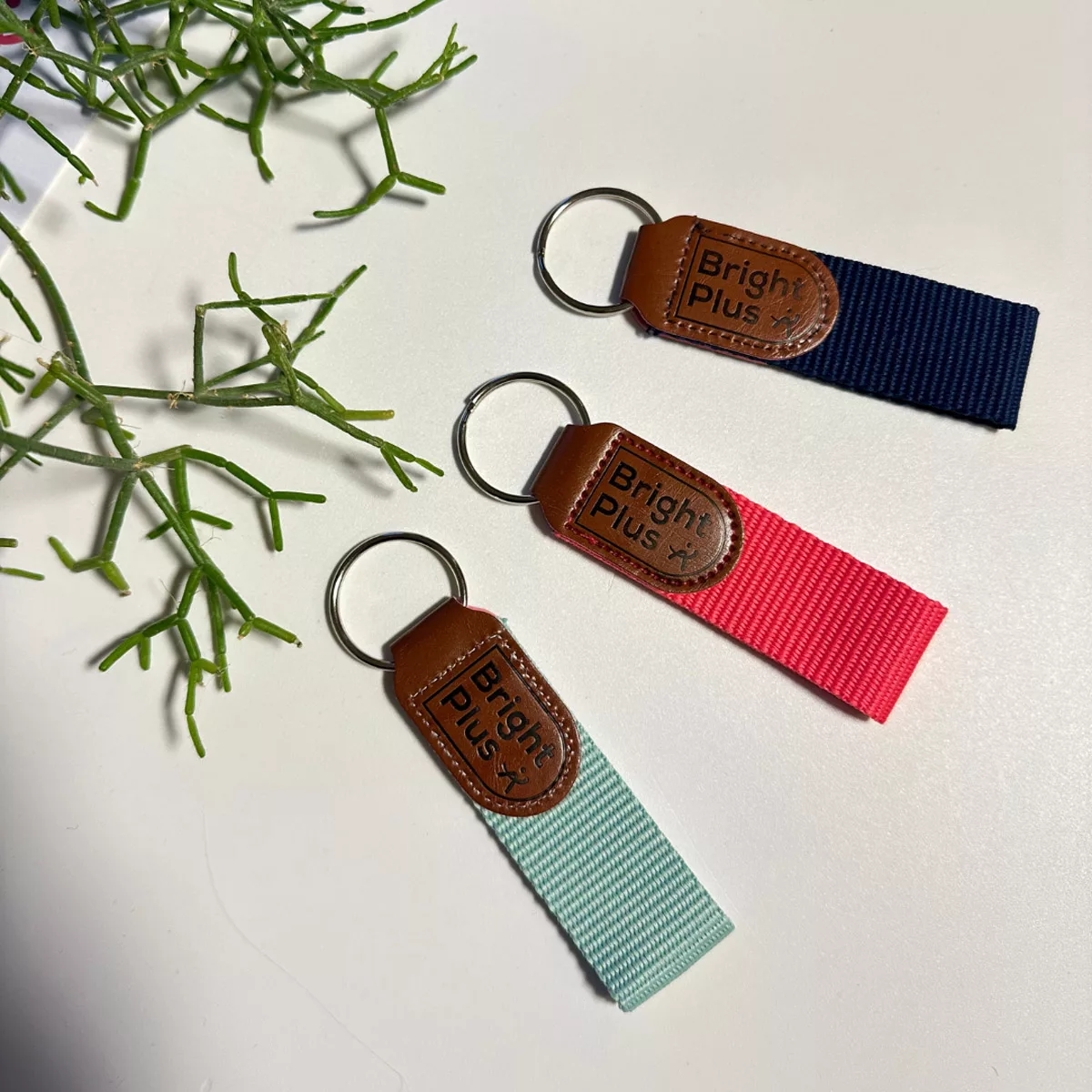
Doming is a personalisation technique in which a transparent, flexible resin (often polyurethane resin) is applied over a printed design to create a three-dimensional effect and protect it. The resin forms a raised, glossy dome over the design, making it stand out and adding durability. This technique is often used to personalise products such as stickers, labels, keyrings and name badges, and it gives the end product a luxurious look.
360-degree wrap-around print.
As the name suggests, this machine can print all the way around, a full 360 degrees. That’s not as easy as it looks. Thanks to this technique, you can bring even more unique designs to life.
Bonus: personalise your box.
XD Connects offers a unique service that lets you combine a selection of their products and have them delivered to your recipients in a unique, custom box.